
Fraud 2025: AI at the service of criminals
6
Min
•
26.11.2025

Fraud reached a critical level in 2025 in Europe. In France, 7.6 billion euros in losses over 12 months and 54% of adults who are victims of scams¹. In the United Kingdom, losses related to banking fraud exceed 1.2 billion pounds in 2024. It is no longer a marginal phenomenon, but a industrial plague which affects all sectors.
The new face of fraud
Techniques are evolving. Grossly falsified documents have given way to sophisticated strategies, often undetectable by the human eye or traditional systems.
1 - Synthetic identities
Fraudsters combine real information (stolen during data breaches) and fictional information to create entirely new and credible profiles. These “false profiles” are particularly dangerous in the credit sector. In the United States, they provided access to $1.8 billion in car credit². The phenomenon is just as widely virulent in Europe.
2 - The “Credit Washing”
This technique consists in manipulating credit reports to erase debts or artificially improve a solvency score. In car financing, this method has seen an increase of +228% ³, costing lenders billions.
3 - Documents generated by artificial intelligence
Fraudsters are now using AI to generate stunningly realistic documents (invoices, identity documents, receipts of income). The metadata is erased, the documents are re-scanned and the fonts are analyzed for perfect consistency. Manual detection is becoming almost impractical.
No sector is spared
At the European level: payment fraud represents tens of billions of euros in annual losses, with a strong growth in attacks targeting businesses and individuals.
Bank
40% of digital fraud = false advisers (France, BioCatch 2025,5)
Insurance
€902 million in fraud detected, +30% in 1 year (France, ALFA 2024,6)
Automobile
21x greater losses than traditional bank fraud (TransUnion 2025x.com)
Zoom France Assurance
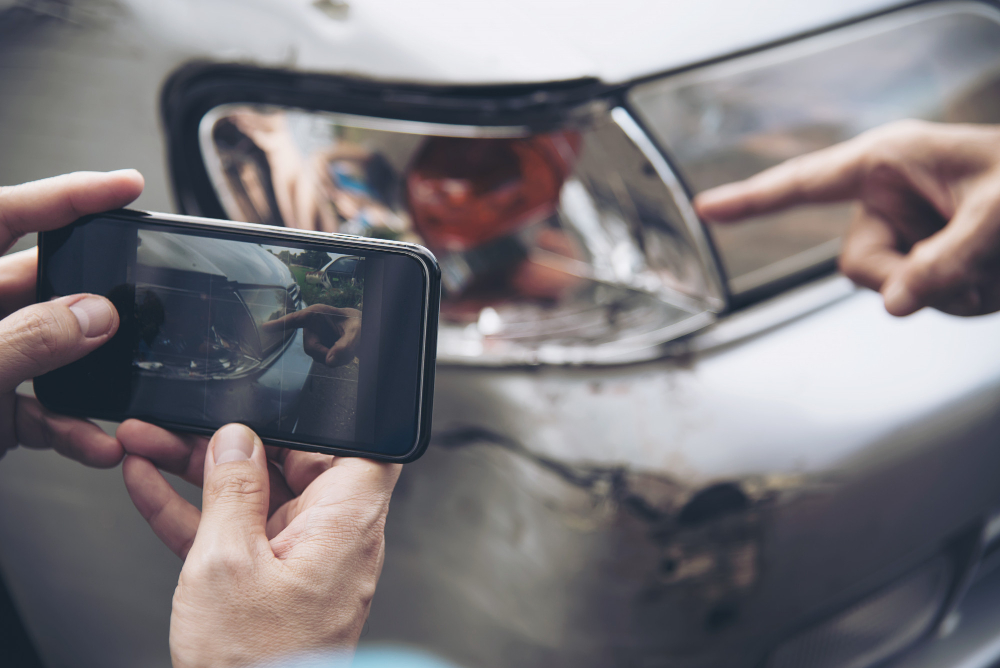
+26% of car fraud between 2022 and 2023. 45% of the cases detected concern false accidents [8].
Zoom France Bank
73% of financial scams steal the identity of a banking organization. Average harm: €69,000.
Zoom Global Automobile
Auto credit fraud represents losses 21 times greater than credit card fraud.
The observation
Faced with professional, organized fraudsters equipped with artificial intelligence, manual controls and obsolete systems are no longer enough.
What to do?
- Analyze in real time
Review documents and information at the time of submission
- Cross-reference data
Verify the consistency between identity, documents, history and behavior
- Use artificial intelligence
Detecting anomalies invisible to the human eye
- Rely on multiple sources
Multiply the check points to limit blind spots
sourcing
¹ Juniper Research, “The Future of AI in Fraud Detection,” Jan. 2025
² Financial Times, Feb. 2024
³ Darktrace, Threat Report 2024
4/Sumsub, “Identity Fraud Report,” Sep. 2024
5 OpenAI Security Research, June 2024
,6 Cybersecurity Ventures, Nov. 2024
McKinsey, “AI in Financial Crime,” Oct. 2024
8 Gartner, “Future of Fraud Detection,” Aug. 2024
9 World Economic Forum, “Global Cybercrime Report,” Dec. 2024
Meelo detects forged documents and synthetic identities
Meelo analyzes more than 400 data sources in real time to detect fraudulent arrangements. Risk score in under 5 seconds.


.png)